
Gutter Guards vs. Gutter Cleaning: An Honest Comparison
Straight answers to the questions people actually search before buying gutter guards — including the ones the sales pitch skips.
Do Gutter Guards Actually Work?
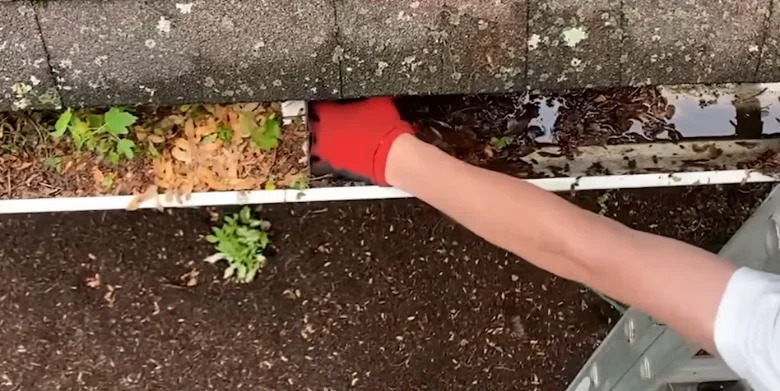
The honest answer is: partly. Every guard style — mesh, foam, brush, or reverse-curve — is genuinely good at keeping large debris like whole leaves out of the gutter trough. None of them fully stop fine debris, and that matters a lot here specifically: Anderson’s pine straw and pine catkins are small, needle-thin, and notorious for working through mesh gaps and packing on top of foam inserts that other regions rarely deal with. A guard can stretch out the time between cleanings, but “no more gutter cleaning ever” is a sales line, not a technical reality for most Anderson roofs.
What Roofers and Gutter Pros Actually Say
Ask around and you’ll hear real, recurring concerns from people who work on roofs for a living: some guard styles trap moisture against the fascia board, which can encourage rot over years rather than prevent it. Improperly installed guards can void a shingle manufacturer’s warranty if they’re screwed through the roofline instead of the gutter itself. And guards add weight and wind resistance to a gutter system that was sometimes hung for an empty trough, not a loaded one. None of this means guards are a bad idea across the board — it means installation quality and guard style matter more than the marketing implies.
The Gutter Guard Industry Has a Real Complaint History
If you’ve searched “gutter guard lawsuit” or “worst gutter guards,” you’re not imagining things. LeafFilter, one of the most heavily advertised national gutter guard brands, has faced publicly documented class-action litigation over product performance and sales practices — the case filings and settlement details are public record, not internet rumor. That doesn’t mean every gutter guard company operates that way, but it’s a fair reason to be skeptical of any high-pressure, financing-heavy sales pitch, a 20-year no-clean guarantee that’s voided if you don’t pay for scheduled visits, or a quote that only exists after an in-home sales appointment. A legitimate installer should be able to give you a straight answer and a real price without a countdown timer.
When Gutter Guards Make Sense
Guards tend to earn their cost for: homes with heavy overhead tree cover where cleanings would otherwise be needed three or more times a year, rental properties and vacation homes where nobody is checking the gutters between visits, single-story homes where reduced cleaning frequency meaningfully lowers long-term cost, and homeowners who’ve had a gutter overflow cause real damage before and want a second layer of protection on top of regular maintenance.
When Plain Gutter Cleaning Makes More Sense
Guards make less sense for: homes surrounded mostly by pine trees, where fine needles and straw defeat many guard designs anyway, anyone planning to sell or move in the next few years (guards are a sunk cost you won’t recover in resale price), and anyone who’d rather pay a smaller, known amount two or three times a year than a large amount upfront for protection that still needs occasional maintenance regardless.
Our Honest Recommendation
We install and service gutter guards, but we won’t tell you every roof needs them, because that isn’t true. When we come out for a quote, we’ll look at your actual tree cover, roof pitch, and gutter condition and tell you honestly whether guards would save you money over the next few years or whether regular cleaning is the better value for your specific house. No countdown timer, no financing pitch — just a straight answer.
What Guard Ads Don’t Always Mention: Heavy Rain Overshoot
During an intense downpour, water can move faster than a guard’s mesh or louver can shed it — instead of flowing into the gutter, it sheets over the top and drops straight down next to your foundation, which is the exact problem gutters exist to prevent. It doesn’t happen on every storm, but it’s worth knowing before you assume guards mean zero rain worries in every downpour.
A rough cost anchor: a typical aluminum micro-mesh guard installation runs roughly $1,000–$1,200 for an average single-story home (more for larger homes or premium materials). If you’re currently paying for cleanings two or three times a year, guards often pay for themselves within 3–5 years — faster with heavy tree cover, slower (or never, on a heavy-pine lot) if needles and straw keep clogging the guards anyway. Ask us for the real math on your specific house when we quote you — we’ll tell you honestly which side of that line you’re on.
Not Sure If Guards Are Worth It For Your Roof?
Get a free, honest opinion — no sales pitch, no countdown timer.