
Gutter Cleaning FAQ — Anderson, SC
Real answers to the questions homeowners actually ask before booking a gutter cleaning — no vague filler.
Most single-story homes take 45 minutes to an hour. Two and three-story homes, or homes with a lot of linear footage of gutter, can run closer to two hours. We can usually give you a tighter window once we see the house.
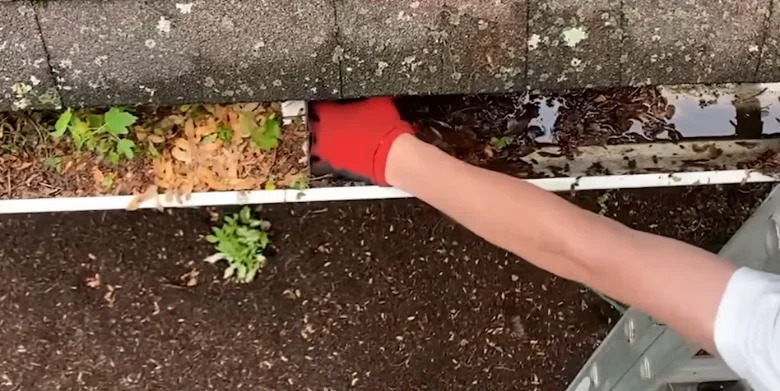
No. Gutter cleaning is a physical debris-removal job — we clear leaves, pine straw, and buildup by hand and flush each downspout with water to confirm flow. There’s nothing sprayed on your roof or landscaping.
We work from a ladder at the gutter line for the vast majority of jobs and avoid walking on the roof surface itself whenever possible, since foot traffic is what causes shingle wear and granule loss over time. If a specific roof section genuinely requires roof access, we’ll tell you before we do it, not after.
We’ll point it out and give you a straight opinion on whether it’s a quick fix we can handle the same visit or something bigger. Loose spikes and sagging sections are usually a sign the gutter has been holding standing water or debris for a while — catching it early is a lot cheaper than waiting for a section to pull off the fascia entirely.
Yes, as long as they’re accessible by ladder. Just mention it when you request a quote so it’s included in the price — detached structures are usually a small add-on rather than a separate visit.
Every cleaning we do includes checking and flushing each downspout, not just the horizontal gutter trough. That distinction matters more than most homeowners realize — a gutter can look completely clear and still overflow if the downspout or the underground drain line it connects to is clogged. We cover this in more detail on our downspout overflow guide.
On most residential jobs, debris is bagged and left with your regular yard waste or hauled off, depending on what you prefer — just let us know when you book. We don’t use any chemicals in the process, so it’s safe to compost pine straw and leaf debris if you’d rather keep it on your property.
It depends on your tree cover, roof pitch, and how long you plan to stay in the home — there’s no single right answer, whatever a sales pitch might tell you. We wrote a full honest breakdown on our gutter guards vs. cleaning comparison page.
Most single-story homes run $70–$200 per visit, two-story homes $100–$275, and three-story homes $130–$400, depending on linear footage and how much debris has built up. We publish our full price table rather than making you call for a quote — see the Pricing page for the complete breakdown.
No. As long as we can access the exterior of the house and any gated areas, we can complete most cleanings without you needing to be there. We’ll send confirmation and photos once the job is done either way.
Light rain usually isn’t a problem, but we’ll reschedule for safety in heavy rain, thunderstorms, or ice, since wet ladder conditions genuinely aren’t safe to work in. We’d rather move the appointment a day than rush a job on a slick ladder.
Most Anderson homes need two cleanings a year at minimum — spring, after pine straw and pine catkins drop, and fall, after oak leaves come down. Homes with heavy tree cover, or those near Lake Hartwell, often benefit from a third check before hurricane season. We break this down further on our Service Areas page and in our cleaning frequency guide.
Guards add an upfront cost, don’t eliminate maintenance entirely, and the wrong style for your roofline or tree cover can actually make problems worse by trapping fine debris on the mesh surface.
Some larger national gutter guard brands have faced legal scrutiny over sales and warranty practices in various states — worth researching the specific brand and reading the fine print on any “lifetime” warranty before signing anything, especially terms that require a fixed number of paid cleanings per year to stay valid. We’ll never pressure you into a guard purchase or a multi-year contract to get one installed.
Usually because the downspout itself — or the underground drain line it feeds into — is still blocked, even though the visible gutter channel looks clear. This is one of the most common complaints in this industry, and it’s exactly why we test water flow through every downspout, every time, before calling a job finished.
Yes — standing water in a blocked gutter sits against the fascia board and roof edge far longer than it should, which leads to wood rot, paint failure, and in worse cases, damage to the roof decking itself.
Standing organic debris in a gutter is exactly the damp, undisturbed environment mold and pests, including wasps and nesting birds, look for. A twice-yearly cleaning removes that environment before it becomes established.
Typically, sudden damage from a storm, hail, wind, or a falling limb is covered; gradual damage from long-term neglect usually isn’t. This isn’t legal or insurance advice — check your specific policy — but it’s one more reason a documented cleaning schedule is worth keeping.
Look for a company that gives you a real price range before showing up, actually tests downspout flow rather than just clearing what’s visible, and is straightforward about what is and isn’t included. See our full guide on how to choose a gutter cleaning company for the complete list of questions to ask.
For a single-story home with a stable ladder and someone spotting you, light debris removal can be done carefully — but most gutter-cleaning injuries happen on ladders, not from the gutters themselves. Two-story homes, steep rooflines, or anything requiring roof access are where we’d genuinely recommend calling a professional instead.
Visible debris spilling over the edge, water streaking down the siding during rain, plants sprouting from the gutter line, sagging sections, and water pooling near the foundation after a storm are the most common visible signs.
Yes — most homes are best served by a spring-and-fall plan booked once, so you’re not remembering to call twice a year. Heavily wooded properties near Lake Hartwell or with mature trees can add a summer check.
Yes — we give you a firm scheduled window when you book, and if we’re running late without giving you a heads-up first, that visit is $20 off. No silent no-shows, no excuses.
No — we never ask for payment before the work is done. You pay after your gutters are cleaned and you’ve had a chance to look them over, not before. We’re a licensed, insured local Anderson, SC business, not a crew going door-to-door offering same-day cash deals. If a price sounds too good to be true or someone is pressuring you to pay on the spot before any work is done, treat that as a red flag regardless of who it is.
Yes — once we’ve quoted a job, that’s the number. If we find something on-site that genuinely changes the scope, we’ll show you and get your OK before doing any extra work. You’re never billed for something you didn’t agree to first.
Still Have a Question?
Still deciding on a company? Read how to choose a gutter cleaning company in Anderson, SC — seven honest questions to ask before you hire anyone.
Gutter Cleaning Anderson SC
Family-run, local anderson gutter cleaning for Anderson, SC and Anderson County — the team homeowners find when they search gutter cleaning near me. Honest pricing, no surprises.
Get In Touch
- Free Quote
- Anderson, SC and Anderson County
- Call or text (864) 555-0142